Carrie Nawrocki, Executive Director / Health Officer
Established in 1913 as the Hudson County Mosquito Extermination Commission, Hudson County has one of the oldest mosquito control programs in the country. In 1971 the program was transferred to the Hudson County Department of Public Resources. In 2005 the county empowered the Hudson Regional Health Commission with providing mosquito control services for the county. Today the program is known as the Hudson Regional Mosquito and Vector Control Program.
Although primarily urban, there are a surprising variety of mosquito habitats in Hudson County. The county is a peninsula bounded by Newark Bay and the Passaic and Hackensack Rivers on the west, by the Hudson River and New York Harbor on the east, by the Kill Van Kull on the south and by Bergen County on the north. The Hackensack River bisects the county and is surrounded by a 10,000 acre wetland tidal marsh known as the Hackensack Meadowlands. As a result, the highest population density in the state is positioned in a county in which 25% of the total physical area is either permanently or periodically under water. Tidal wetlands provide ideal conditions for Aedes sollicitans. Permanent pockets within these wetlands produce Culex salinarius in abundance. Inland marshes produce large numbers of Aedes vexans. In addition, neglected drainage ditches and culverts give rise to expansive populations of Culex pipiens. The proximity of so many people to such expansive acreage of water capable of mosquito production validates the need for a comprehensive mosquito control program.
The basic elements of the Commission's Mosquito and Vector Control Program are:
Protect the citizens and visitors of Hudson County from mosquito-borne diseases such as West Nile Virus.
Minimize the negative impact of nuisance mosquitoes on outdoor recreational activities.
Utilize integrated mosquito management principles to provide a comprehensive program that is operationally effective, environmentally sensitive, and fiscally responsible.
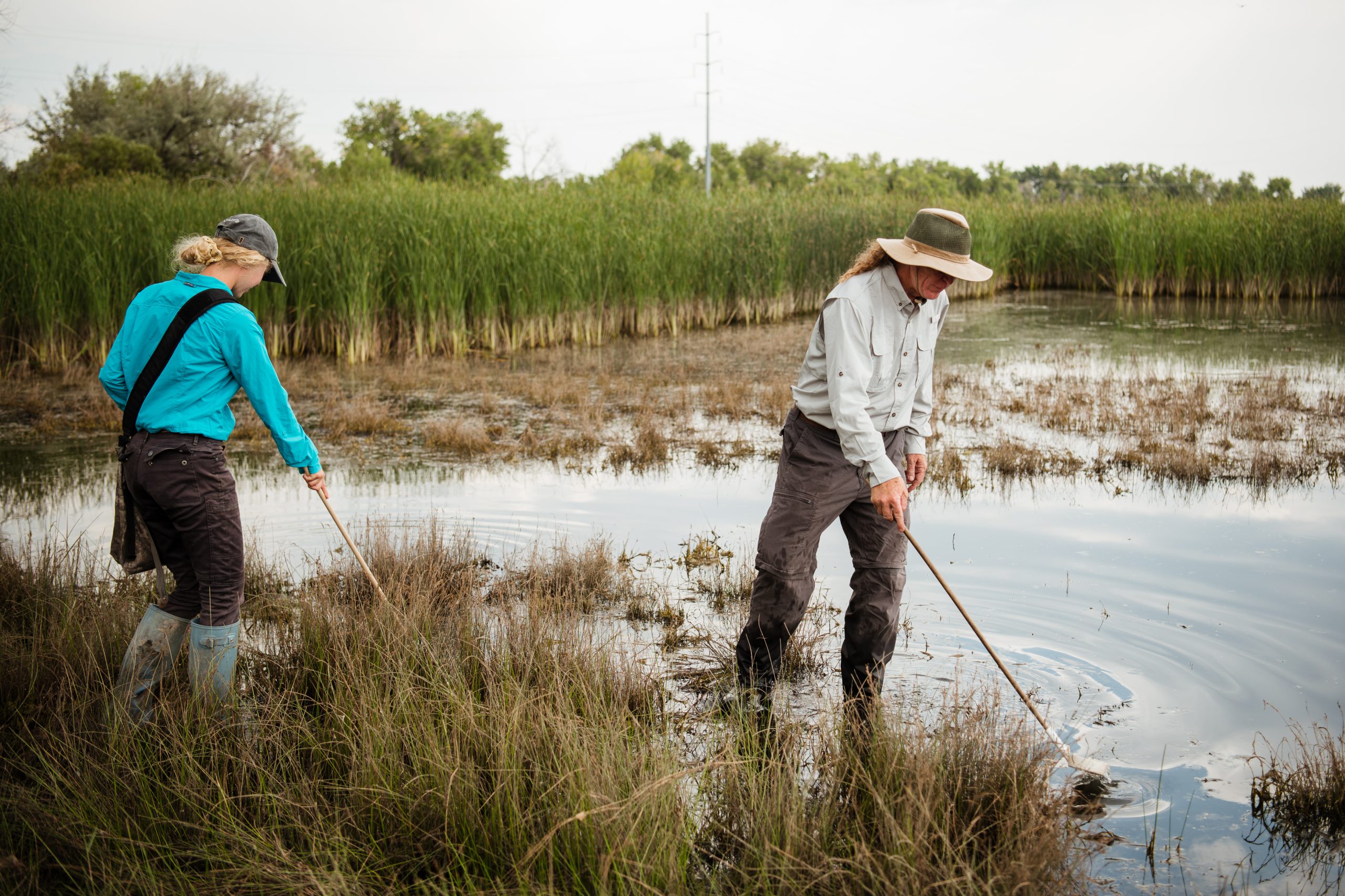
Our inspectors routinely check over 250 sites in Hudson County for mosquito larvae. When larvae are found, the site is treated to stop mosquitoes before they become adults.
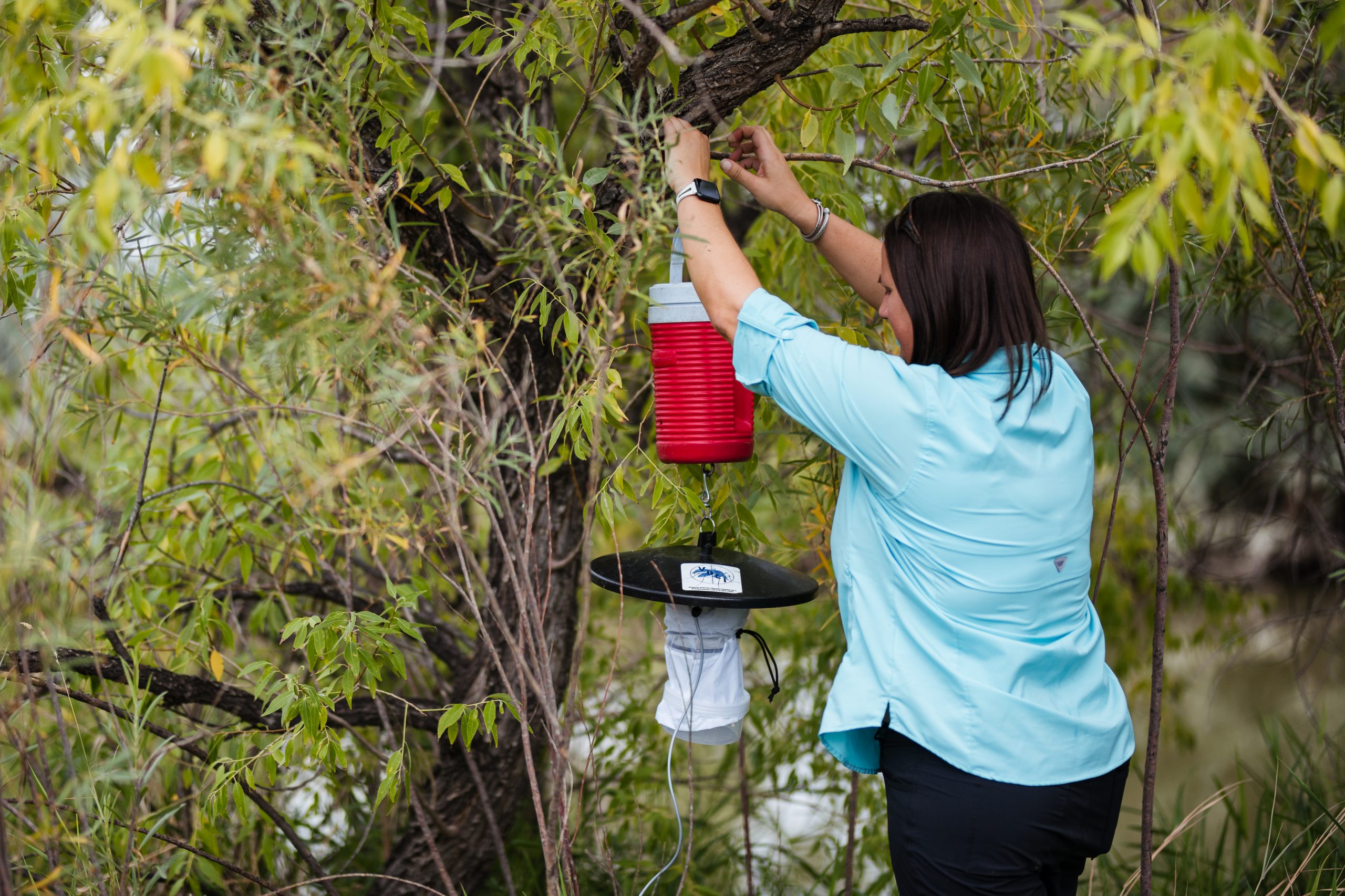
We maintain mosquito traps across the county to monitor species and population levels. This helps determine when adult mosquito control is necessary.
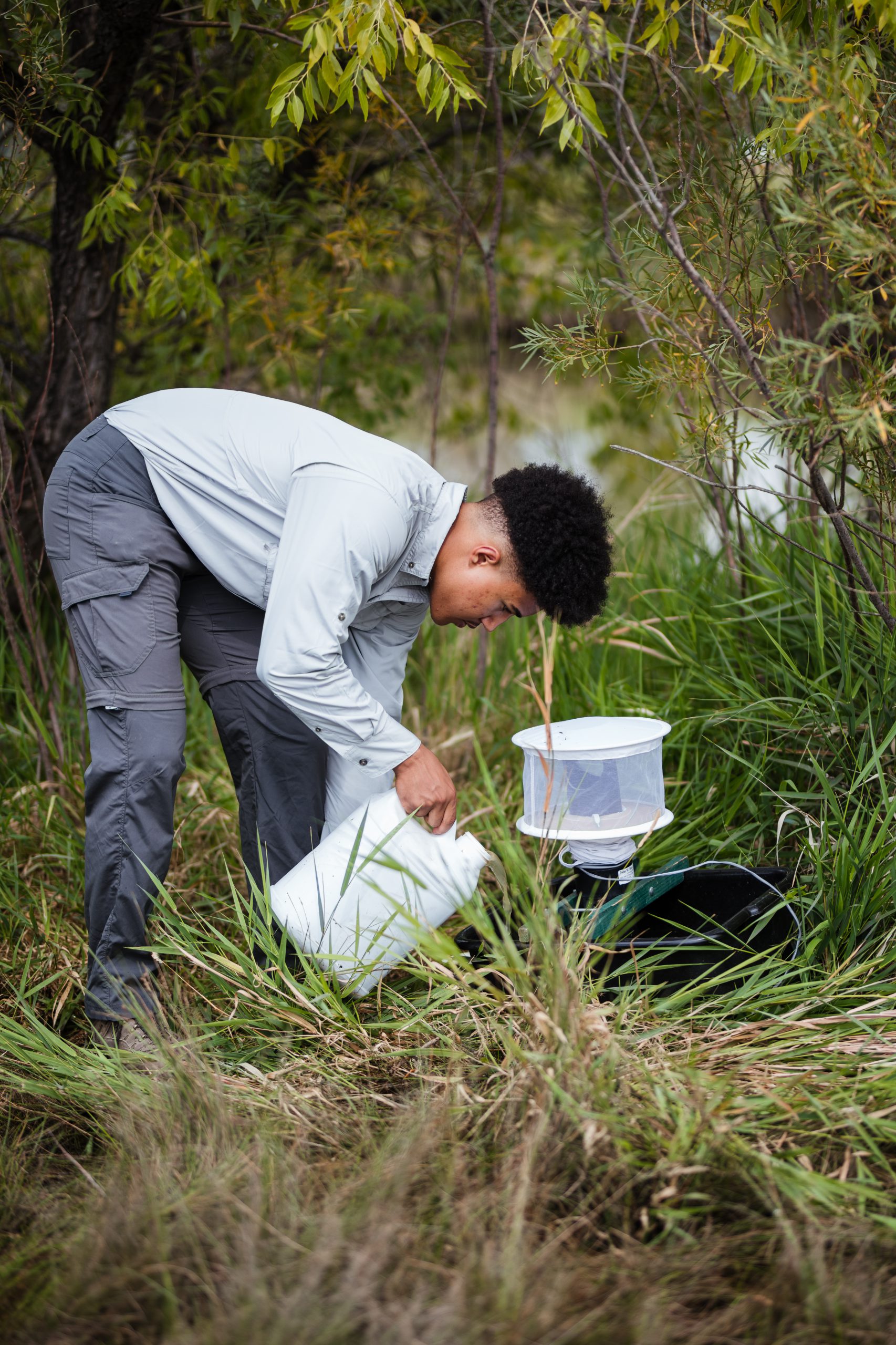
We monitor for diseases like West Nile virus and Eastern Equine Encephalitis by testing mosquitoes collected from specialized traps.
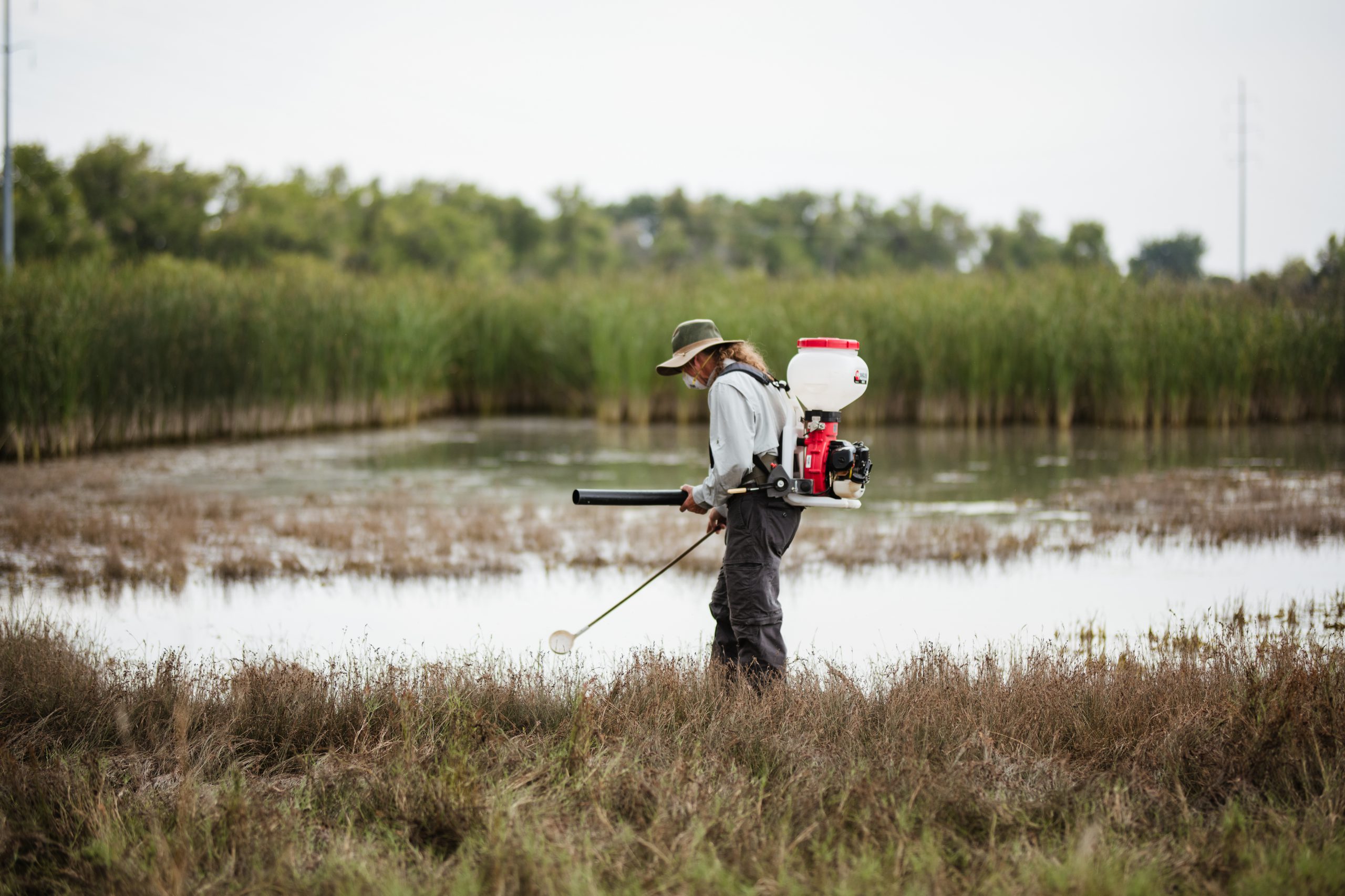
Treating standing water sources allows us to eliminate thousands of mosquitoes before they mature, using low-impact products like bacteria and growth regulators.
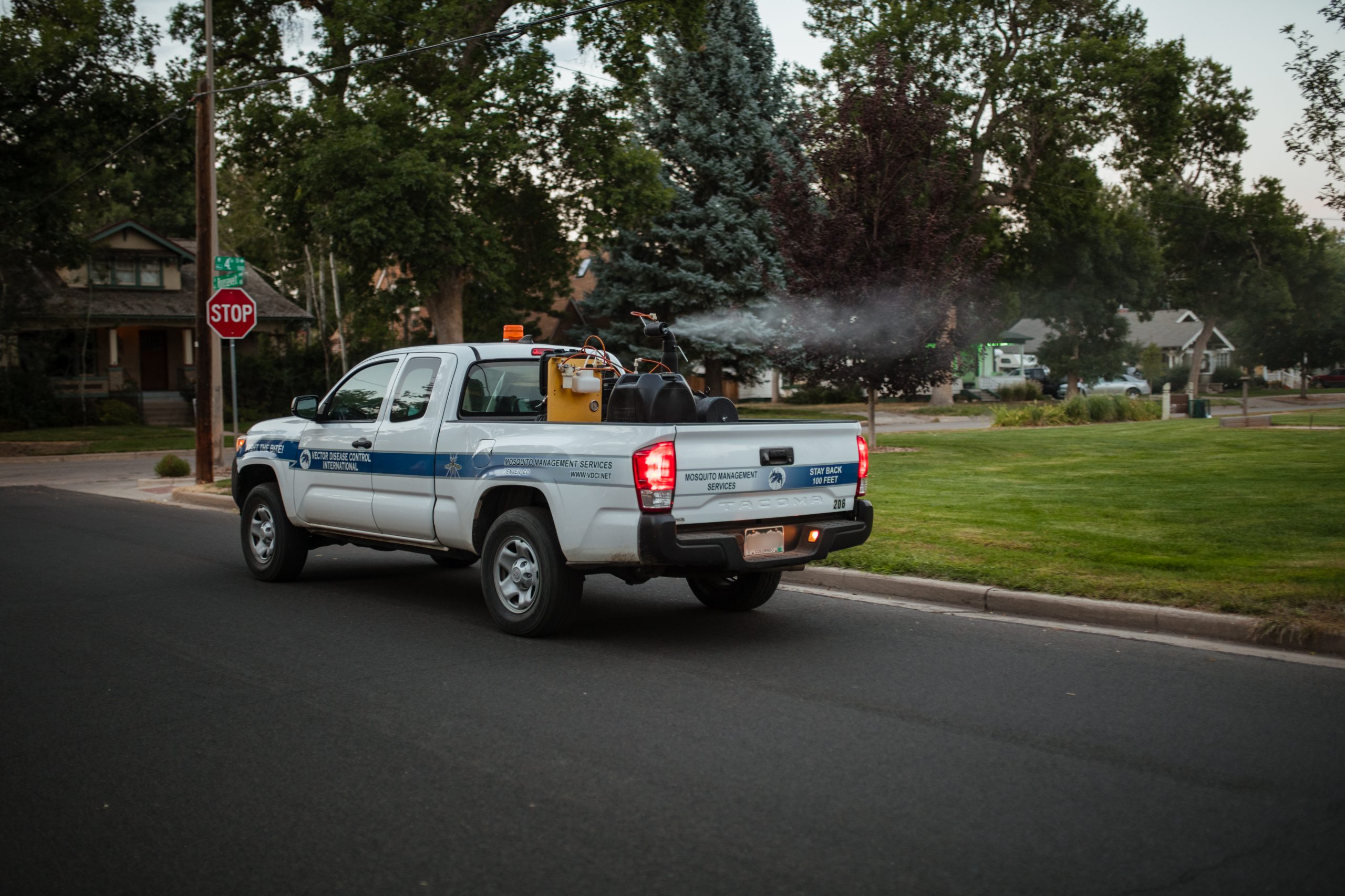
When mosquito populations surge or disease risk increases, we apply targeted adult control treatments using short-lived, low-toxicity products.
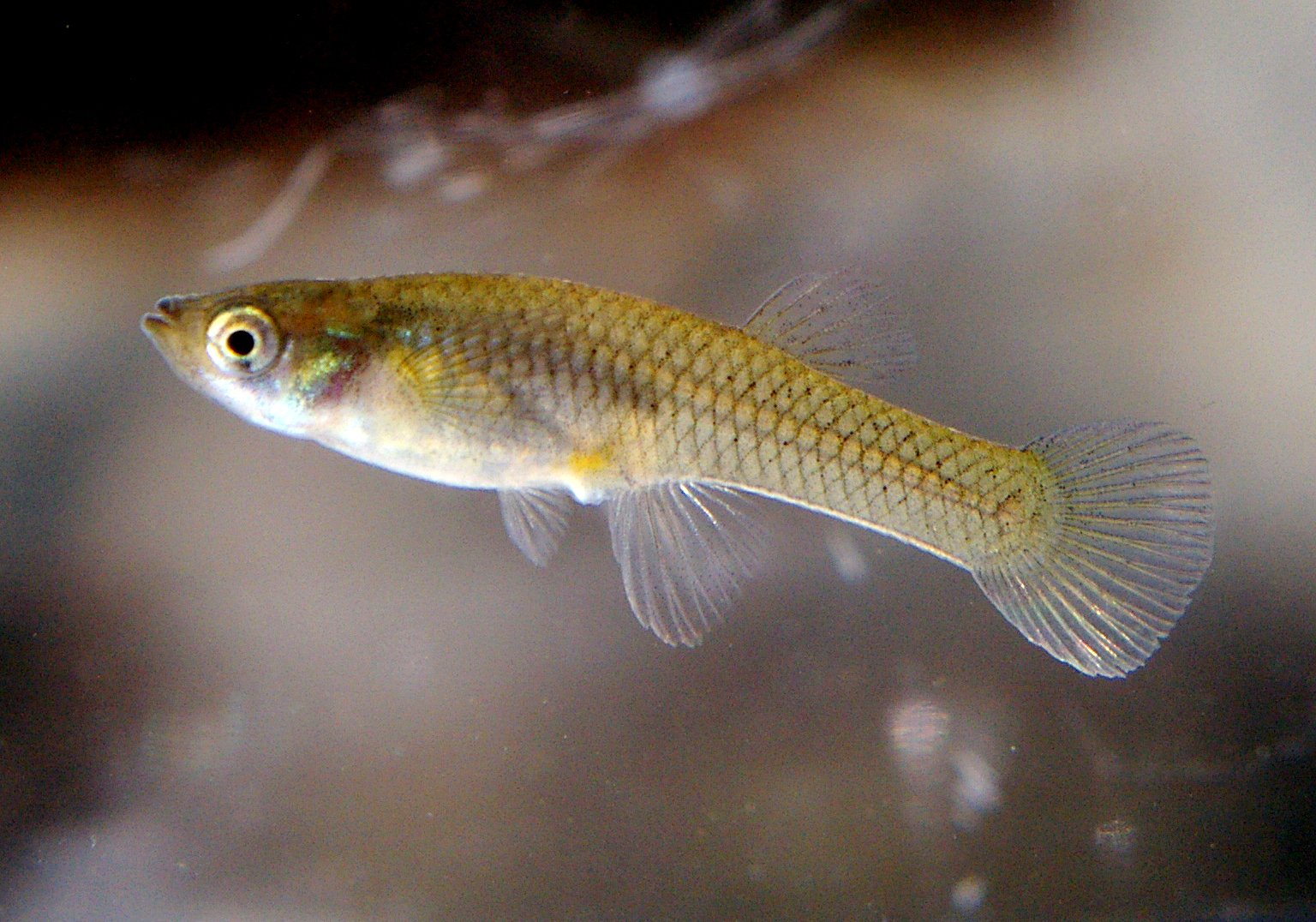
Natural predators like killifish and mosquito fish (Gambusia affinis) are used in some waters to reduce mosquito larvae without pesticides.
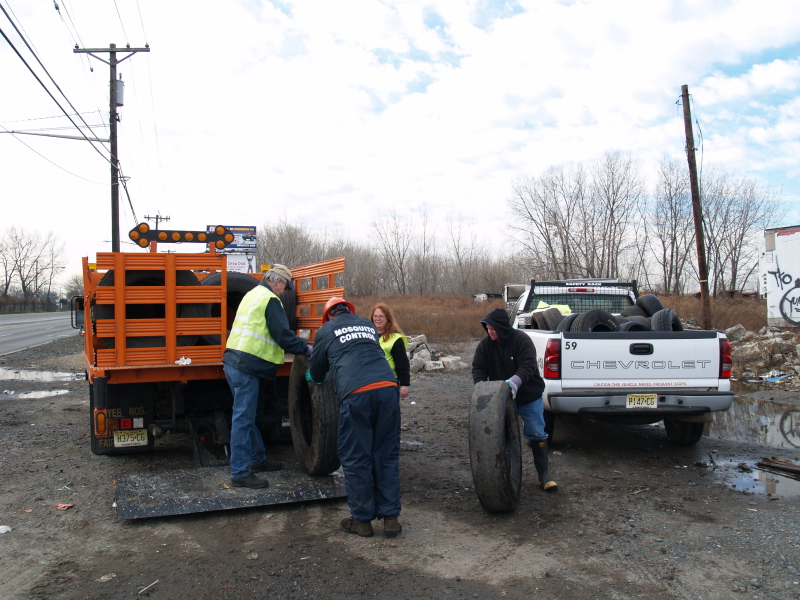
Illegally dumped tires collect water and breed mosquitoes. We remove and properly dispose of tires throughout the county, especially during the off season.
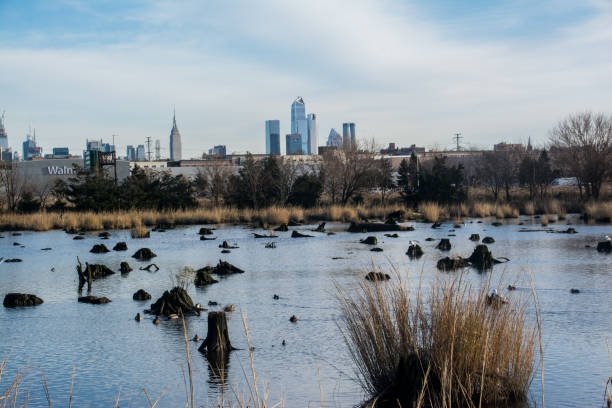
Managing land and drainage in chronic mosquito areas helps prevent standing water and reduces long-term mosquito production.
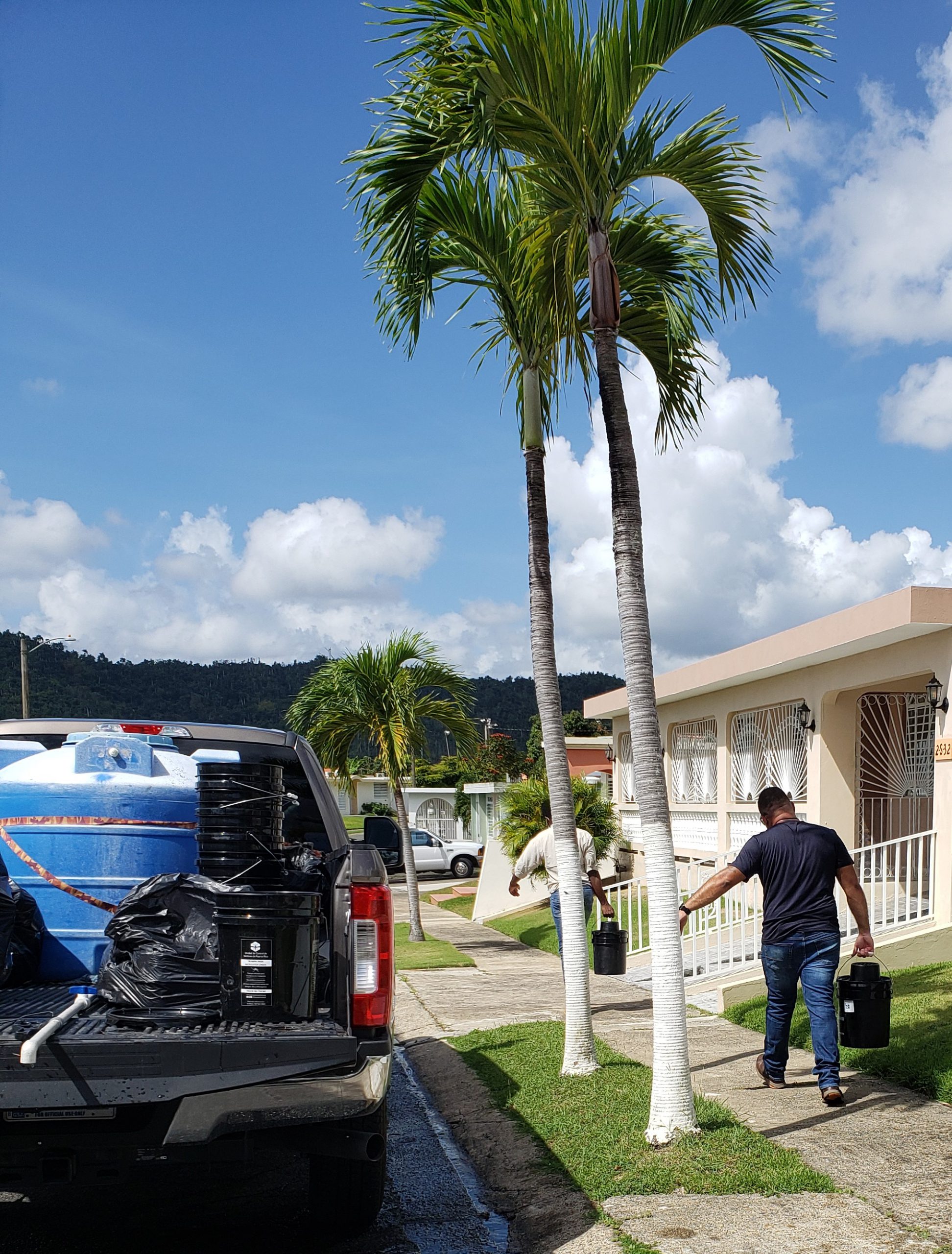
Residents help us locate mosquito problems. If you’re experiencing issues in Hudson County, call the office at 201-223-1133.
 Mosquito Service Requests
Call the DEP hotline: 1-888 NO NJ WNV (1-888-666-5968) to find the number for your county agency.
This question is impossible to answer. Mosquito abundance is dependent upon environmental factors such as temperature and rainfall. Unless you can accurately predict these factors for the entire season, no one can forecast mosquito abundance.
Most mosquito traps use some sort of attractant to lure mosquitoes into them. This may actually attract more mosquitoes to your yard than before. While some traps collect large numbers of mosquitoes, it may not be enough to cause a noticeable reduction in the mosquito population. See the Information page to find out ways to reduce mosquitoes around your home.
Very small. First, you must be bitten by an infective mosquito. Only a small percentage of mosquitoes are infective. Then, even if you are exposed to the virus, there is only a slight chance that you will get sick from the virus. If you do get sick, less than 1% of infected people will develop severe illness.
Our pesticides are reviewed and registered by the US Environmental Protection Agency and the NJ Department of Agriculture. When used appropriately, these products have been demonstrated to not cause any significant environmental impacts or non-target effects. All of our products are less toxic than the salt in your food or the caffeine in your coffee. Pesticide labels and Safety Data Sheets are available upon request.
Mosquitoes are small flies that belong to the family Culicidae. There are approximately 3,500 species of mosquitoes worldwide, with about 176 species found in the United States. Mosquitoes go through four life stages: egg, larva, pupa, and adult. The first three stages occur in water, while the adult stage is terrestrial.
Approximately 30 species of mosquitoes occur in Hudson County. Some mosquitoes appear as early as March, but the peak mosquito season is from June through August. Mosquito populations are greatly influenced by weather with hot wet conditions being optimal for mosquito production. While not all mosquitoes bite humans, many do. Our job is to reduce the numbers of mosquitoes, not only to improve the comfort of the citizens of Hudson County, but to protect their health as well.
We can only do so much to prevent mosquitoes and the diseases that they transmit. As citizens of Hudson County, you can help reduce mosquitoes around the home. Taking certain precautions will help prevent your exposure to mosquito bites and the diseases that mosquitoes transmit.
Hudson County has ended it’s spray program for Spotted Lanternflies (SLF). If you have a problem on your property, Hudson Regional is providing SLF traps free of charge to the public. Please contact your local health department to pick them up.
If you encounter a tick in New Jersey, you can send it to us and we will test it for disease-causing pathogens for free! With your help, we will learn where and when people are exposed to ticks and tick-borne diseases.
The ticks are out. Learn how to protect yourself.